
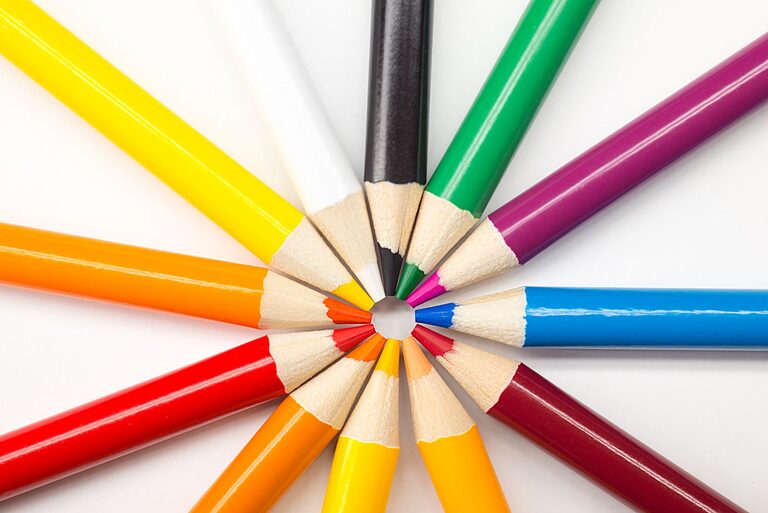
Keeping your child’s artwork organized can feel like a challenge, especially when creativity flows in abundance. From finger paintings to elaborate school projects, these precious pieces can quickly pile up, creating clutter and stress. The good news is that with a few simple strategies, you can manage and preserve your kids’ art while keeping your home neat and inspiring. Here are some friendly, easy-to-follow tips to help you keep kids’ art organized.
Why Organizing Kids' Art Matters
Children’s artwork is more than just paper and paint; it’s a record of their growth, creativity, and experiences. Organizing these creations not only helps reduce mess but also lets you celebrate their progress over time. Plus, a well-organized system makes it easier to share these special moments with family and friends.
—
Create a Dedicated Art Space
Having a specific area for art projects encourages your child to keep their work in one place.
– Set Up an Art Station: Use a small table, easel, or corner with supplies and a spot to lay out finished pieces.
– Use Storage Bins and Containers: Clear bins or baskets keep materials and artwork tidy and visible.
– Label Everything: Help kids develop organizational skills by labeling bins for crayons, paper, scissors, etc.
—
Sort and Select Regularly
Sorting through art frequently helps prevent overwhelming piles.
– Weekly or Monthly Review: Go through the artwork with your child, deciding what to keep, toss, or display.
– Limit Saved Pieces: Choose favorites or significant pieces that represent milestones or skills.
– Involve Your Child: Let them explain or share stories about their artwork to determine what holds value.
—
Display Artwork Creatively
Showing off your child’s creations motivates them and adds personality to your home.
– Use a Gallery Wall: Frame or hang artwork in a dedicated wall space with clips, strings, or corkboards.
– Rotate Displays: Change featured art regularly to keep it fresh and engaging.
– Digital Displays: Use a digital photo frame to cycle through photos of your child’s art.
—
Digitize for Easy Storage
Digital copies save space and keep memories accessible.
– Photograph or Scan: Capture each piece using a camera or scanner.
– Create Digital Albums: Organize images by date, theme, or school year on your computer or cloud storage.
– Make Prints or Gifts: Use digital files to create photo books, calendars, or custom gifts for family.
—
Use Portfolios and Art Binders
Physical storage solutions help keep artwork safe and organized.
– Buy Art Portfolios: These large, flat cases hold art without folding and protect it from damage.
– Create Art Binders: Use plastic sleeves in binders to store and display smaller pieces neatly.
– Label by Date or Grade: Keep portfolios or binders in order for easy browsing later.
—
Repurpose and Upcycle Artwork
Turn old art into new projects to extend its life.
– Gift Wrap: Use colorful drawings as unique wrapping paper.
– Cards and Tags: Cut artwork into gift tags or greeting cards.
– Collage Projects: Combine smaller pieces into a bigger art piece or scrapbook.
—
Tips for Maintaining the Organization System
A sustainable organization method works best when it’s simple and consistent.
– Set a Routine: Schedule regular times to organize art, so it doesn’t pile up.
– Keep Supplies Accessible: Easy access encourages kids to put artwork away.
– Be Flexible: Adjust systems as your child grows or interests change.
– Celebrate the Process: Make organizing fun with music or rewards to encourage participation.
—
Conclusion
Organizing kids’ artwork doesn’t have to be overwhelming. By creating dedicated spaces, sorting regularly, displaying creatively, and preserving both physical and digital copies, you can celebrate your child’s creativity while keeping your home organized. These tips not only reduce clutter but also create lasting memories you and your child will cherish for years to come. Give them a try and watch how simple organization can inspire both creativity and calm in your household!