
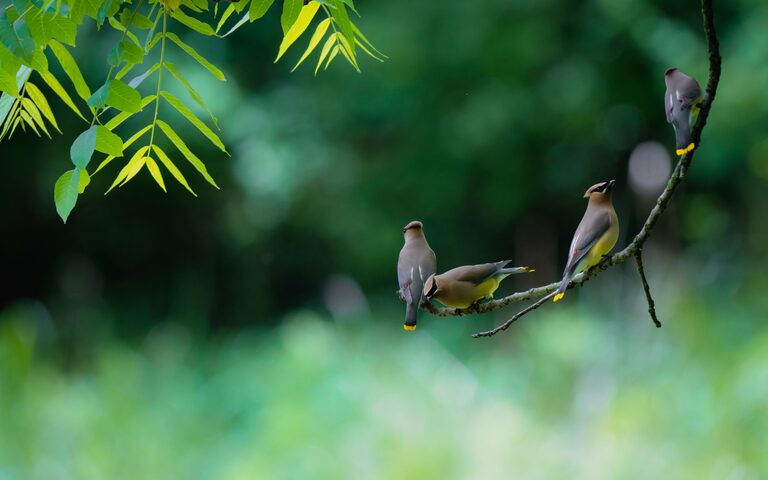
Birdwatching is a rewarding hobby that connects you with nature and brightens your outdoor time. You don’t need to travel far or have special equipment to get started—your own backyard can be the perfect spot to observe birds. Whether you’re curious about the birds visiting your garden or want to learn how to attract more species, these beginner tips will guide you through the essentials of backyard birdwatching.
Why Backyard Birdwatching?
Before diving into tips, it’s good to know why backyard birdwatching is a great choice for beginners:
– Easy access: Your backyard is always available, no need to travel.
– Peaceful pastime: Birdwatching is calming and helps reduce stress.
– Learn about nature: It enhances your knowledge of local wildlife.
– Fun for all ages: Kids and adults can enjoy watching birds together.
Getting Started: What You Need
Starting birdwatching doesn’t require a large investment. Here’s what beginners typically need:
1. A Pair of Binoculars (Optional but Helpful)
Binoculars help you see birds more clearly without disturbing them. If you don’t have any yet, don’t worry—you can start observing birds with the naked eye and invest in binoculars later.
2. A Bird Guide or App
A bird identification guide or a smartphone app can help you recognize the types of birds visiting your yard. Many apps provide photos, sounds, and facts about birds.
3. A Notebook
Keep a simple journal to note the species you see, the time of day, and any interesting behaviors. This helps track your progress and makes birdwatching more engaging.
Creating a Bird-Friendly Backyard
Attracting birds to your yard means making it a welcoming place for them. Here are easy ways to do that:
Provide Food
Birds need food, especially in colder months or during nesting season. Popular options include:
– Bird feeders: Fill them with sunflower seeds, millet, or nyjer seeds depending on bird species.
– Fruit and suet: Some birds enjoy pieces of fruit or suet cakes.
– Natural food: Plant berry-producing shrubs or native flowers that attract insects.
Offer Water
Birds need fresh water for drinking and bathing. A simple birdbath or shallow dish filled with clean water works well. Make sure to change the water regularly.
Create Shelter
Birds look for safe places to rest and hide from predators. You can:
– Plant dense shrubs or trees.
– Leave dead trees or branches standing if safe.
– Use birdhouses designed for local species.
Avoid Chemicals
Pesticides and herbicides can harm birds and reduce the insect population they feed on. Opt for natural gardening methods when possible.
Observing Birds: Tips for Beginners
Watching birds is about patience and careful observation. Here are some tips to enhance your experience:
1. Be Quiet and Still
Birds are easily startled. Keep noise to a minimum and move slowly to avoid scaring them away.
2. Choose the Best Time
Early morning and late afternoon are often best for bird activity. Birds feed and interact more during these times.
3. Watch for Movement and Sound
Look for movement in trees and bushes, and listen for bird calls or songs. Sometimes you’ll hear birds before you see them.
4. Use a Spotting Guide
Use your bird guide or app to match colors, shapes, and behaviors with bird species. Some apps allow you to identify birds by their songs.
Common Backyard Birds to Look For
Depending on your region, you may see a variety of birds. Some species commonly found in many backyards include:
– American Robin: Known for their red breast and bright song.
– Northern Cardinal: Male cardinals are bright red and easily recognizable.
– Blue Jay: Large blue birds with noisy calls.
– Chickadees: Small, friendly birds with distinctive “chick-a-dee” calls.
– House Finch: Small, with streaked brown feathers and sometimes red coloring.
Building Your Birdwatching Skills
Birdwatching is a hobby that grows with time and practice. Try these ideas to improve your skills:
– Join local birdwatching groups or online forums.
– Participate in citizen science projects like bird counts.
– Experiment with different feeders and plants to attract new species.
– Try bird photography or sketching to capture sightings.
– Learn bird songs to identify species by sound.
Final Thoughts
Backyard birdwatching is an enjoyable and accessible way to connect with nature. By providing food, water, and shelter, and practicing patient observation, you’ll soon discover a world of feathered friends in your own yard. Start simple, keep a curious mind, and enjoy the peaceful presence of birds every day.
Happy birdwatching!